Which Indian Food Best Represent the Diversity Served at Sankranti India?
Indian cuisine is one of the most diverse culinary traditions in the world. From the rich curries of the North to the coconut-infused delicacies of the South, every region tells a story through food.
What Makes Indian Food So Diverse?
Indian food reflects centuries of history, trade, migration, and cultural exchange. Geography plays a major role:
- North India – Wheat-based breads, rich gravies, dairy-heavy dishes
- South India – Rice-based staples, coconut, curry leaves
- East India – Mustard oil, freshwater fish, sweets
- West India – Bold spices, vegetarian specialties, coastal seafood
This diversity is what makes indian food exciting — no two regions taste the same.
Which North Indian Food Dishes Represent Culinary Richness?
North Indian cuisine is often what international diners first associate with indian food.
At Sankranti India, you’ll find representation through dishes such as:
- Butter Chicken – Creamy tomato-based curry
- Paneer Butter Masala – Vegetarian alternative with cottage cheese
- Dal Makhani – Slow-cooked black lentils
- Tandoori Chicken – Clay oven-roasted, smoky and spiced
- Garlic Naan – Soft, fluffy Indian bread
These dishes highlight Mughlai influence, dairy richness, and robust spice layering.
What South Indian Food Dishes Showcase Regional Identity?
South Indian food offers a completely different flavor profile.
Signature representations include:
- Masala Dosa – Crispy fermented rice crepe with spiced potato filling
- Idli & Sambar – Steamed rice cakes with lentil stew
- Chicken Chettinad – Pepper-forward, aromatic curry
- Coconut Chutney – Fresh, cooling accompaniment
South Indian cuisine emphasizes fermentation, rice, and bold spice tempering techniques.
Which Indian Food Dishes Represent Vegetarian Diversity?
India is globally known for its vegetarian cuisine.
Popular vegetarian indian food varieties include:
- Chole (Chickpea Curry)
- Baingan Bharta (Smoked Eggplant)
- Aloo Gobi (Potato & Cauliflower)
- Palak Paneer (Spinach & Cottage Cheese)
- Vegetable Biryani
The vegetarian spread reflects India’s cultural and religious influences while maintaining rich, satisfying flavors.
How Does Indian Street Food Add to the Diversity?
Street food is an essential part of indian food culture.
Some crowd-favorites include:
- Pani Puri – Crispy spheres filled with tangy water
- Samosa – Fried pastry with spiced filling
- Pav Bhaji – Spiced mashed vegetables with buttered buns
- Bhel Puri – Puffed rice chaat
Street food introduces bold, tangy, spicy, and sweet contrasts — a sensory explosion that reflects India’s vibrant food culture.
What Regional Biryani Varieties Represent Indian Culinary Heritage?
Biryani alone showcases India’s diversity:
- Hyderabadi Biryani – Rich, layered, aromatic
- Lucknowi Biryani – Subtle and fragrant
- Malabar Biryani – Coastal influence, lighter spice
- Kolkata Biryani – Includes potatoes and mild spices
Each variation represents a different royal or regional influence, making biryani one of the most diverse indian food experiences.
How Do Indian Desserts Reflect Cultural Diversity?
Indian desserts vary widely by region:
- Gulab Jamun – Syrup-soaked milk dumplings
- Rasgulla – Spongy Bengali sweet
- Jalebi – Crispy, syrup-coated spirals
- Kheer – Rice pudding with cardamom
Desserts often use milk, saffron, cardamom, and nuts — reflecting agricultural and trade heritage.
How Does Sankranti India Bring This Diversity Together?
Sankranti India curates dishes from across regions to represent the spectrum of indian food in one cohesive dining experience.
Instead of focusing on just one regional style, the menu celebrates:
- North and South Indian classics
- Vegetarian and non-vegetarian specialties
- Tandoor selections
- Biryani varieties
- Street food-inspired starters
- Traditional desserts
This balanced representation allows diners to explore multiple regional identities in one meal.
Which Indian Food Best Represents True Diversity?
If choosing one category that represents the diversity of indian food, it would be:
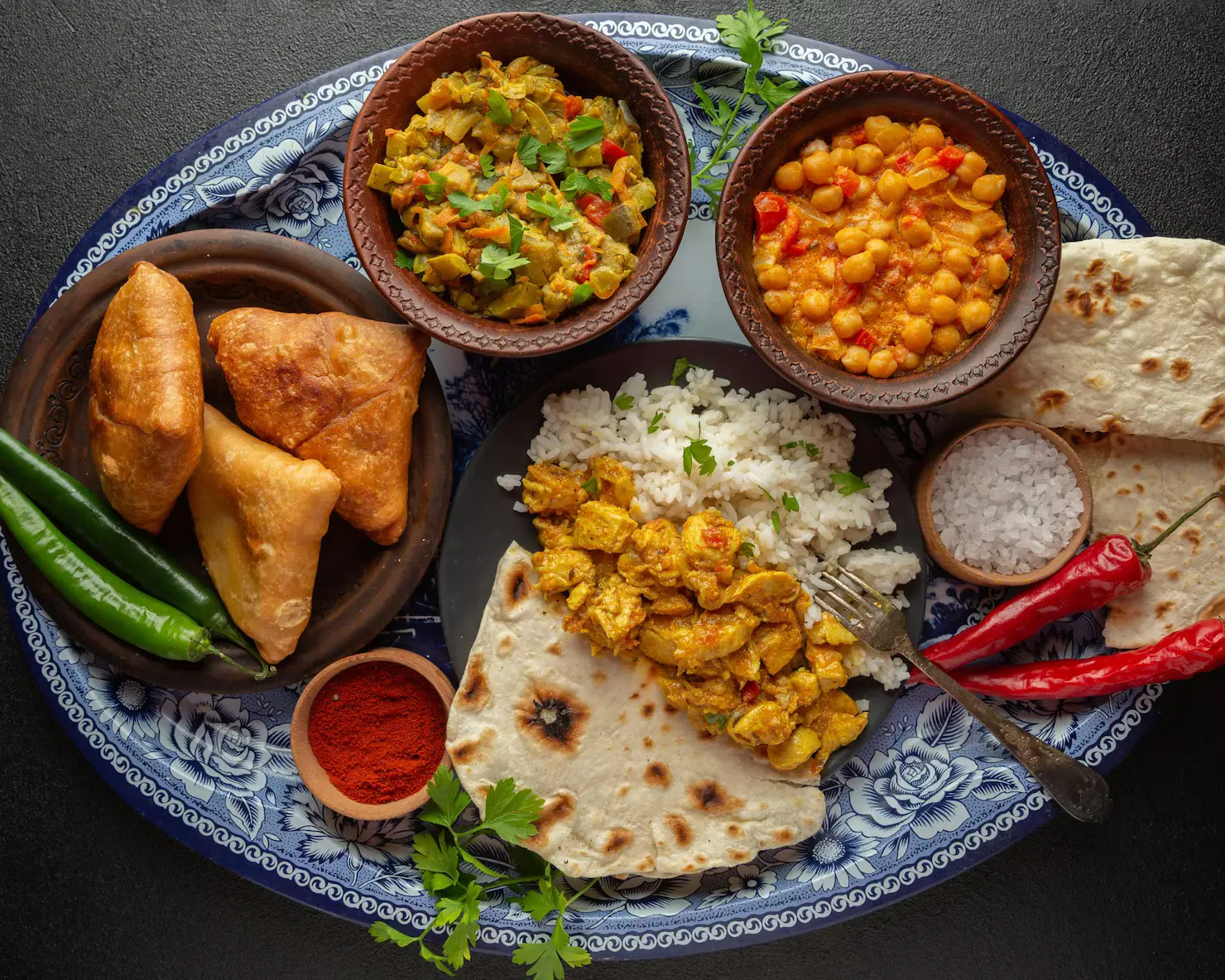
Biryani and Thali-style combinations.
Why?
- They incorporate multiple flavors and components
- They reflect layered cooking techniques
- They showcase regional variations
- They balance spice, aroma, texture, and color
These dishes act as a culinary summary of India’s vast and varied food landscape.
Why Is Indian Food Considered One of the Most Diverse Cuisines in the World?
Indian food diversity comes from:
- 28 states with unique culinary traditions
- Different climates and agricultural produce
- Cultural and religious influences
- Historical trade routes and royal kitchens
Few cuisines in the world offer such contrast between regions while maintaining a strong identity.
Final Thoughts
The diversity of indian food is not just about spice — it is about history, geography, culture, and technique.
From creamy North Indian gravies to crispy South Indian dosas, from aromatic biryani to vibrant street food, Sankranti India represents this culinary spectrum in a way that allows guests to experience India on a single table.
Whether you are exploring indian food for the first time or rediscovering regional classics, the journey is always rich, layered, and deeply satisfying.