What Makes Andhra Pickling Techniques Unique? The Authentic Art Behind Avakaya and More
Pickles are not just condiments in Indian homes — they’re a legacy of taste, technique, and tradition. Among all regional varieties, Andhra pickles, especially the legendary Avakaya, hold a special place for their fiery flavor and artisanal process. In this guide, we’ll walk through every step that defines the art of Andhra pickling, answering every question curious food lovers might ask.
What Makes Andhra Pickles So Unique?
Andhra pickles are known for their bold flavors, spice-forward profiles, and long shelf life. Unlike many northern Indian pickles that rely on oil-based preservation, Andhra-style pickles combine sun-drying, mustard powder, and gingelly oil (sesame oil) to create a complex taste that matures beautifully over time.
The combination of regional ingredients — like Guntur red chilies, raw mangoes, and rock salt — gives Andhra pickles their signature tang and heat.
What Is Avakaya?
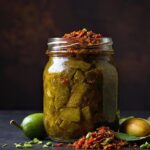
Avakaya is Andhra Pradesh’s most famous pickle — a spicy mango pickle made using unripe mangoes, mustard seed powder, chili powder, and gingelly oil. The name comes from “Ava” (mustard) and “Kaya” (raw mango).
It’s more than just a condiment — it’s an emotion tied to summer traditions, family recipes, and regional pride.
How Is Avakaya Traditionally Made?
The preparation of Avakaya is both an art and a ritual. Traditionally, families prepare it in bulk during mango season (March–May) and store it in ceramic jars for the entire year.
Here’s how the process unfolds:
- Selecting Mangoes: Only firm, unripe mangoes with a tart taste are used.
- Cutting and Cleaning: Mangoes are cut into equal-sized cubes, ensuring no moisture remains.
- Mixing Spices: Mustard powder, chili powder, and salt are mixed in exact proportions.
- Adding Oil: Gingelly oil is poured to bind and preserve the mixture.
- Sun-Maturing: The pickle jars are sun-cured for several days, allowing the flavors to deepen.
Each household guards its own spice ratio, a hallmark of Andhra’s culinary diversity.
Why Is Mustard Powder Important in Andhra Pickling?
Mustard powder is the soul of Avakaya. It not only adds pungency but also acts as a natural preservative. The enzymatic reaction of mustard in oil and salt helps the pickle last for months without refrigeration.
The finer the grind, the stronger the punch — making Andhra’s mustard-forward taste distinct from other Indian pickling styles.
What Other Popular Andhra Pickles Exist Besides Avakaya?
While Avakaya rules the roost, Andhra cuisine offers many other irresistible pickles:
- Magaya: Sun-dried mango pickle with a chewy texture.
- Usiri Avakaya: A tangy gooseberry pickle made the Avakaya way.
- Tomato Nilava Pachadi: Spicy preserved tomato pickle.
- Ginger Pickle (Allam Pachadi): A fiery blend served with breakfast staples like dosa and idli.
- Lemon Pickle (Nimmakaya Uragaya): A zesty, long-lasting version often used during festivals.
Each of these varieties follows the same meticulous Andhra pickling techniques, blending oil, salt, and spice in perfect harmony.
How Do Andhra Pickles Last So Long Without Refrigeration?
The longevity of Andhra pickles lies in the perfect balance of salt, oil, and sunlight.
- Salt draws out moisture and prevents bacterial growth.
- Oil acts as a sealant, blocking air exposure.
- Sun-drying enhances natural fermentation, intensifying flavor while ensuring safety.
With these elements combined, pickles can stay fresh and flavorful for over a year.
What Is the Role of Sun-Drying in Andhra Pickling?
Sunlight is more than a drying tool — it’s a natural catalyst. During curing, sunlight helps activate oils and spices, allowing the pickle to “mature.” The heat enhances the tangy aroma and deepens the color of the pickle, especially in Avakaya.
That’s why Andhra homes often line up jars on terraces every morning during summer — it’s tradition and science working together.
How Do You Know When Your Pickle Is Ready to Eat?
Typically, an Andhra pickle like Avakaya takes 7–10 days to reach full flavor after curing. You’ll know it’s ready when:
- The oil rises to the top (a sign of perfect preservation).
- The mango pieces soften slightly yet remain firm.
- The aroma turns sharp and tangy.
Once ready, it’s best enjoyed with steaming rice and ghee, a combination every Andhra household swears by.
Can You Make Andhra Pickles at Home Today?
Absolutely! While traditional versions require sun-curing, you can replicate Andhra pickling techniques at home using these tips:
- Choose raw mangoes or lemon for first-timers.
- Use sterilized jars and dry utensils only.
- Stick to gingelly oil and rock salt for authentic flavor.
- Store the jar in a sunny window or balcony for a few days.
Even in smaller quantities, homemade Andhra pickles can carry the same vibrant punch.
Why Do Andhra Pickles Reflect More Than Just Food?
In Andhra culture, pickling is a community celebration — a shared ritual across generations. Families gather to chop mangoes, mix spices, and fill jars while exchanging stories. It’s a moment that connects memory, craftsmanship, and regional pride — making Avakaya not just a pickle, but a symbol of Andhra heritage.
Final Thoughts
From Avakaya’s fiery mustard base to the sun-cured tang of Magaya, Andhra pickling techniques embody the soul of South Indian culinary tradition — bold, patient, and full of heart.
At Sankranti India, we celebrate this legacy by bringing you the authentic flavors of Andhra, crafted with the same care and heritage that generations have perfected.
Faqs
What is special about Andhra pickling techniques?
Andhra pickling techniques are known for their bold flavors, generous use of spices, and traditional sun-curing methods. The process emphasizes natural preservation, resulting in pickles that last long while retaining rich, tangy, and spicy notes unique to Andhra cuisine.
What makes Avakaya pickle so famous in Andhra Pradesh?
Avakaya is a classic Andhra mango pickle made with raw mangoes, mustard powder, red chili powder, and sesame oil. Its balance of heat, tang, and aroma makes it a staple in every Andhra household and a must-try for pickle lovers across India.
What ingredients are commonly used in Andhra pickles?
Typical Andhra pickles use ingredients like raw mangoes, gongura (sorrel leaves), garlic, tamarind, red chili powder, mustard seeds, fenugreek, salt, and sesame oil. Each ingredient contributes to the pickle’s unique texture, flavor, and shelf life.
How long do Andhra pickles like Avakaya last?
When prepared and stored properly in airtight containers, Andhra pickles can last for several months—even up to a year. The key is keeping them away from moisture and ensuring the oil fully covers the ingredients.
What is the secret behind the long shelf life of Andhra pickles
The secret lies in natural preservation methods — the use of salt, oil, and sunlight. These act as natural preservatives, preventing spoilage and intensifying flavor over time.
How are Andhra pickles different from other Indian pickles?
Unlike North Indian or Gujarati pickles, Andhra pickles tend to be spicier, oilier, and use mustard and chili powder more heavily. They rely less on vinegar and more on natural fermentation and sun-drying.
Can I make Avakaya pickle at home?
Yes! Traditional Avakaya can easily be made at home using raw mangoes, mustard powder, red chili powder, salt, and sesame oil. However, patience is key — the pickle must rest for a few days for the flavors to fully develop.
Which oil is best for making Andhra-style pickles?
Cold-pressed sesame oil (gingelly oil) is traditionally used in Andhra pickling. It not only enhances the flavor but also acts as a natural preservative.
Are Andhra pickles healthy?
In moderation, yes. Andhra pickles are rich in antioxidants and natural probiotics from fermentation. However, they are also high in salt and oil, so portion control is recommended.
Where can I buy authentic Andhra pickles like Avakaya?
Authentic Andhra pickles, including Avakaya and Gongura, are available at traditional South Indian stores and reputable online brands like Sankranti India, which specializes in regional delicacies made using time-honored recipes.