
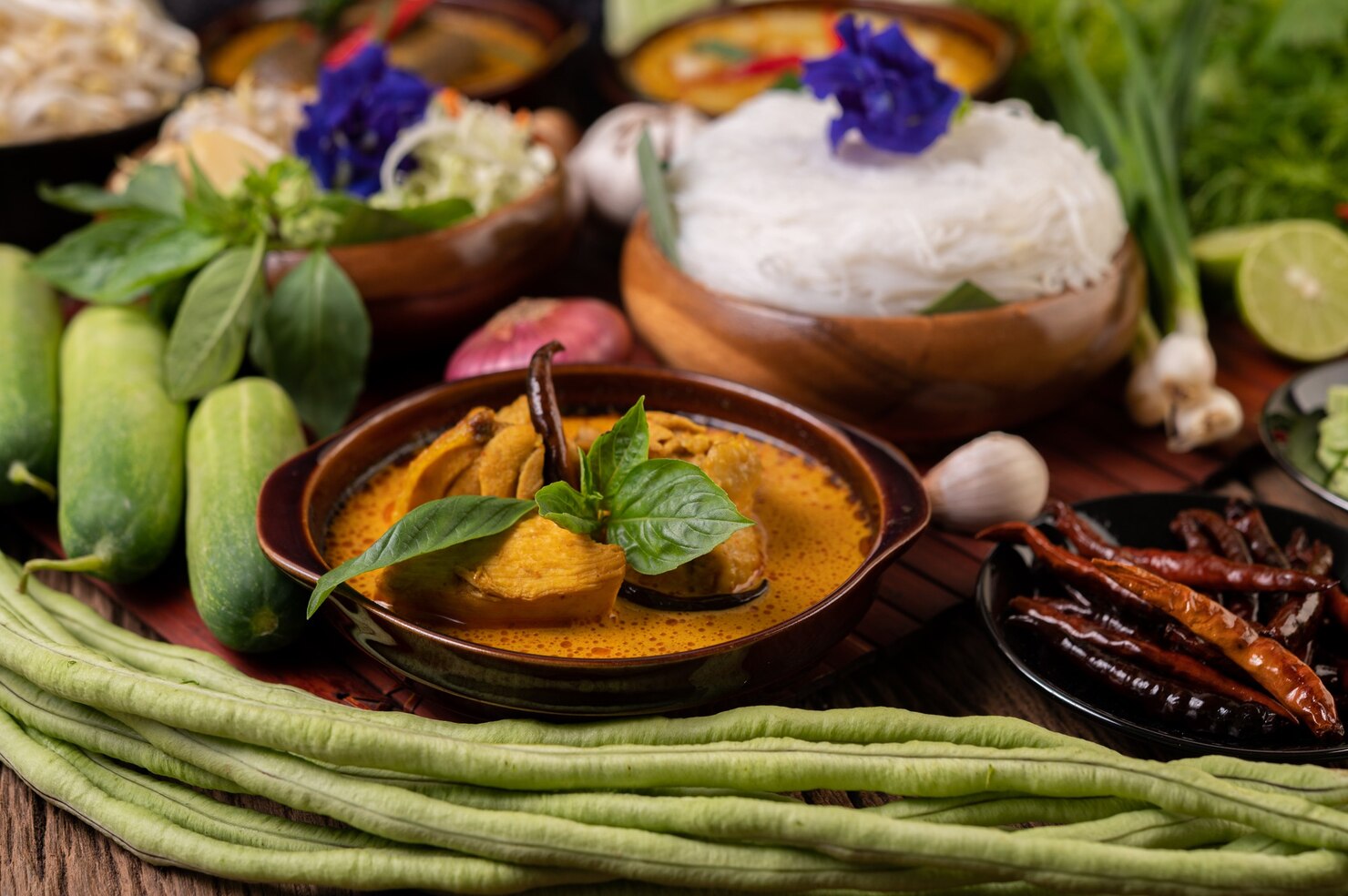
When people hear about Ayurvedic Andhra food, they often think of bold spices and fiery flavours, but there’s more beneath the surface. This cuisine represents the ancient connection between Ayurveda in Indian cuisine and the body’s natural balance. Every spice, grain, and cooking method in Andhra homes has a healing purpose, offering deep health benefits Andhra food has been known for across generations.
How Does Ayurveda Shape Indian Cuisine?
At its heart, Ayurveda in Indian cuisine revolves around the three doshas, Vata, Pitta, and Kapha, energies that govern the body’s functions.
Ayurvedic Andhra food respects this principle by combining ingredients that maintain equilibrium. For instance, Andhra dishes that are rich in chilli and tamarind (which increase heat) are paired with yogurt and coconut to cool the body, a perfect example of Ayurveda’s balance in daily meals.
Why Are Spices So Important in Ayurvedic Andhra Food?
In Ayurvedic Andhra food, spices aren’t just for flavour, they’re medicinal tools.
Here’s how the main Ayurvedic spices used in Andhra cuisine support wellness:
- Turmeric: Detoxifies the blood and reduces inflammation.
- Cumin: Strengthens digestion and enhances nutrient absorption.
- Fenugreek: Helps regulate metabolism.
- Mustard seeds: Improve circulation and energy flow.
These ingredients explain why the health benefits Andhra food provides go far beyond taste, they are based on centuries of Ayurvedic wisdom.
What Role Do Lentils and Rice Play in Ayurvedic Andhra Meals?
If you’ve ever eaten pappu (lentil stew) with annam (rice), you’ve experienced the foundation of Ayurvedic Andhra food.
Lentils bring protein and fibre, while rice grounds the body, together, they align with Ayurveda in Indian cuisine, balancing energy and keeping digestion strong. This pairing represents nourishment that is both physical and spiritual.
How Are Traditional Andhra Dishes Cooked the Ayurvedic Way?
Cooking techniques matter as much as the ingredients themselves.
In Ayurvedic Andhra food, slow cooking is preferred, it preserves nutrients and enhances flavour naturally. Frying spices in ghee increases their potency, while steaming vegetables protects their prana (life energy). These methods ensure that the health benefits Andhra food offers are fully retained in every bite.
What Are the Health Benefits of Fermented Foods in Andhra Cuisine?
Fermentation plays a crucial role in Ayurveda in Indian cuisine, and Andhra Pradesh is rich in probiotic traditions, from idli and dosa to curd rice.
These fermented dishes promote healthy gut flora, enhance immunity, and improve digestion, all key aspects of the health benefits Andhra food is celebrated for.
How Does Ayurvedic Andhra Food Balance the Five Elements?
Every meal in Ayurvedic Andhra food reflects the five natural elements:
- Earth: Lentils and grains provide grounding.
- Water: Tamarind and yogurt bring moisture and cooling.
- Fire: Spices stimulate metabolism.
- Air: Fresh herbs add lightness.
- Space: Balanced portions prevent heaviness.
This harmony defines the holistic power of Ayurveda in Indian cuisine and explains why health benefits Andhra food go beyond nutrition, they support the whole self.
Can Ayurvedic Andhra Food Be Part of Everyday Wellness?
Absolutely. Ayurvedic Andhra food can become part of daily life with simple choices, like cooking with ghee, eating seasonal vegetables, and including fermented dishes.
Meals such as rasam detoxify, dal strengthens immunity, and ghee nourishes the body, proving that Ayurveda in Indian cuisine is not a diet but a lifestyle for long-term balance.
What Makes Ayurvedic Andhra Food Timeless?
The true beauty of Ayurvedic Andhra food lies in its mindfulness, choosing ingredients that serve a purpose and preparing them with intention.
It’s more than comfort food; it’s an act of wellness rooted in the ancient science of Ayurveda. By embracing this way of eating, you’re not just enjoying flavour, you’re living in harmony with nature.
Faqs
What makes Ayurvedic Andhra food unique?
Ayurvedic Andhra food stands out for combining traditional Andhra flavours with Ayurvedic balance. Each ingredient and spice is chosen for its health benefits, to aid digestion, boost metabolism, and bring harmony to the body’s doshas.
How does Ayurveda influence Indian cuisine?
Ayurveda in Indian cuisine guides how food should be prepared and eaten to maintain balance. It focuses on using fresh, seasonal, and natural ingredients, along with spices that improve digestion and energy flow, creating both taste and wellness.
What are the main health benefits of Andhra food?
The health benefits of Andhra food include improved gut health, better metabolism, detoxification, and immunity support. Thanks to ingredients like lentils, turmeric, and tamarind, Ayurvedic Andhra food nourishes the body while keeping digestion strong.
Which spices in Andhra cuisine are considered Ayurvedic?
Common Ayurvedic spices in Andhra cuisine include turmeric, cumin, fenugreek, mustard seeds, and black pepper. These spices have anti-inflammatory, digestive, and detoxifying properties, making them essential for Ayurvedic Andhra food.
Is spicy Andhra food healthy according to Ayurveda?
Yes, when balanced properly, spicy Andhra food can be healthy. Spices like red chilli and black pepper stimulate digestion and metabolism, but Ayurveda recommends balancing them with cooling foods like yogurt or ghee.
How can I make my Andhra meals more Ayurvedic?
To make Andhra meals more Ayurvedic, use fresh ingredients, cook with ghee, include all six tastes (sweet, sour, salty, bitter, pungent, and astringent), and avoid overeating. Mindful eating enhances both flavour and the health benefits of Andhra food.
What are some examples of Ayurvedic Andhra dishes?
Popular Ayurvedic Andhra dishes include pappu (lentil stew), rasam, curd rice, upma, and gongura pachadi. Each combines natural ingredients and spices that promote digestion, balance, and overall wellness.
Can Ayurvedic Andhra food help with digestion?
Absolutely. Ayurvedic Andhra food is naturally gut-friendly, ingredients like cumin, turmeric, and ginger improve digestion and prevent bloating. Lentils and fermented foods also help maintain healthy gut bacteria.